CareerPine
CareerPine

An AI career assessment for a better career fit.

Start the test

Built for clear-headed career decisions under real-world constraints.

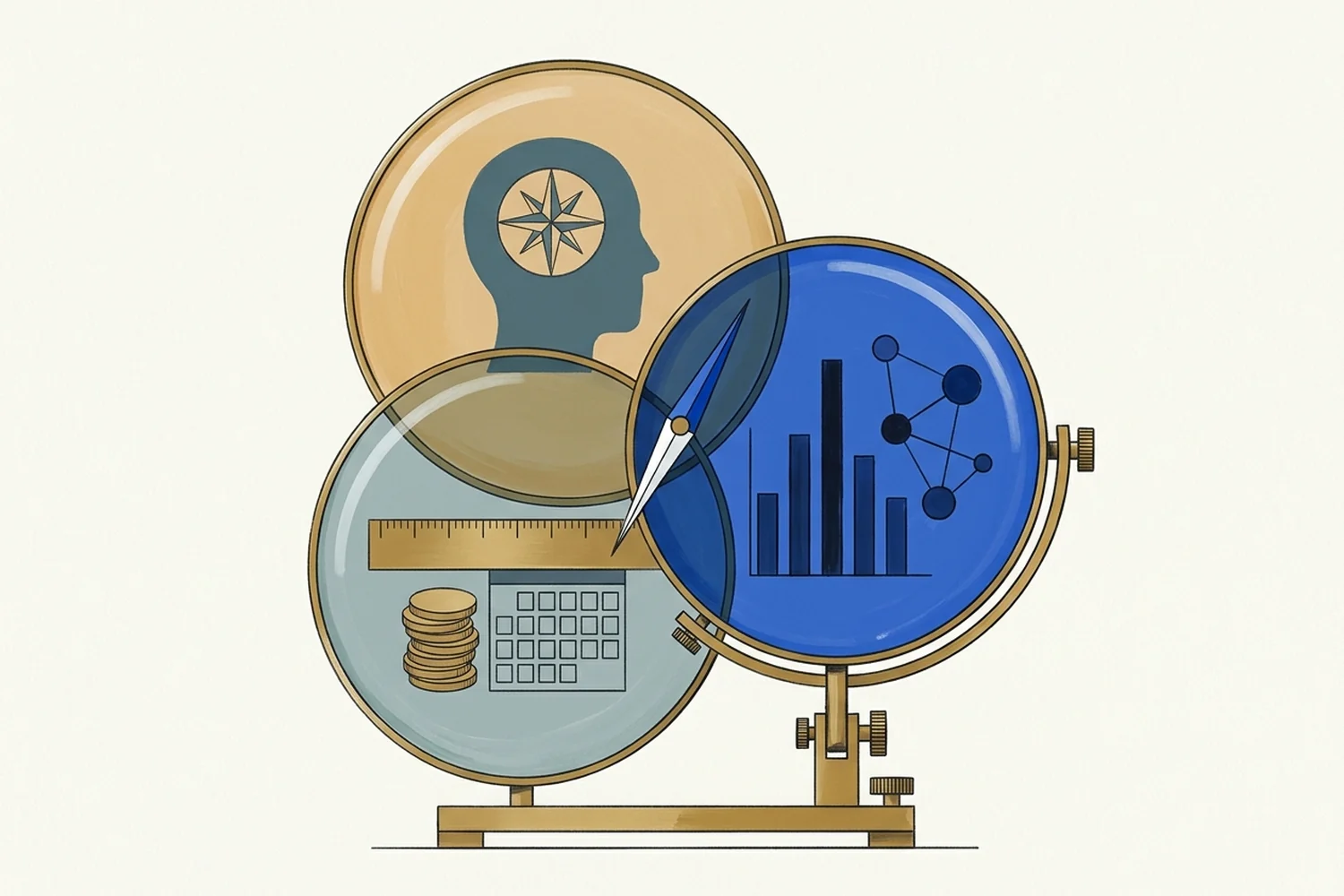
Modernist matte gouache editorial illustration of three overlapping translucent optical lenses on a brass stand bringing personal strengths, real-world income and time constraints, and Klein Blue labor-market demand bars into shared compass focus.
“A good career decision rarely comes from discovering a secret passion. It comes from seeing your own strengths, your real constraints, and the labor market in the same room without distortion.”
The founding premise behind CareerPine

These four principles are deliberate constraints. They decide what data enters the site, what CareerPine refuses to promise, and why the product stays quiet when the rest of the career industry gets loud.

01

Refuse four-letter labels

Adults making a career change are not archetypes from a magazine quiz. A personality trait only matters next to what a person can tolerate every weekday, what they need to earn, and what credentials they can realistically pursue.

02

Reject AI panic and hollow hype

Most coverage of AI and work swings between doom headlines and empty cheerleading. Neither helps someone pay rent next year. CareerPine treats automation as a measurable shift in task demand, not a reason to frighten people into impulsive decisions.

03

Ground advice in open public data

Career guidance should never rely on mystery scores invented behind closed doors. Every occupation benchmark draws from public international classifications and labor statistics so the evidence behind a direction can be checked directly.

04

Respect attention, privacy, and money

A person questioning their career should not be trapped in an account funnel, nagged by recurring subscriptions, or sold to recruiters. Keep answers local on the device, price deeper work once in plain sight, and never trade personal data.

Why CareerPine was started.

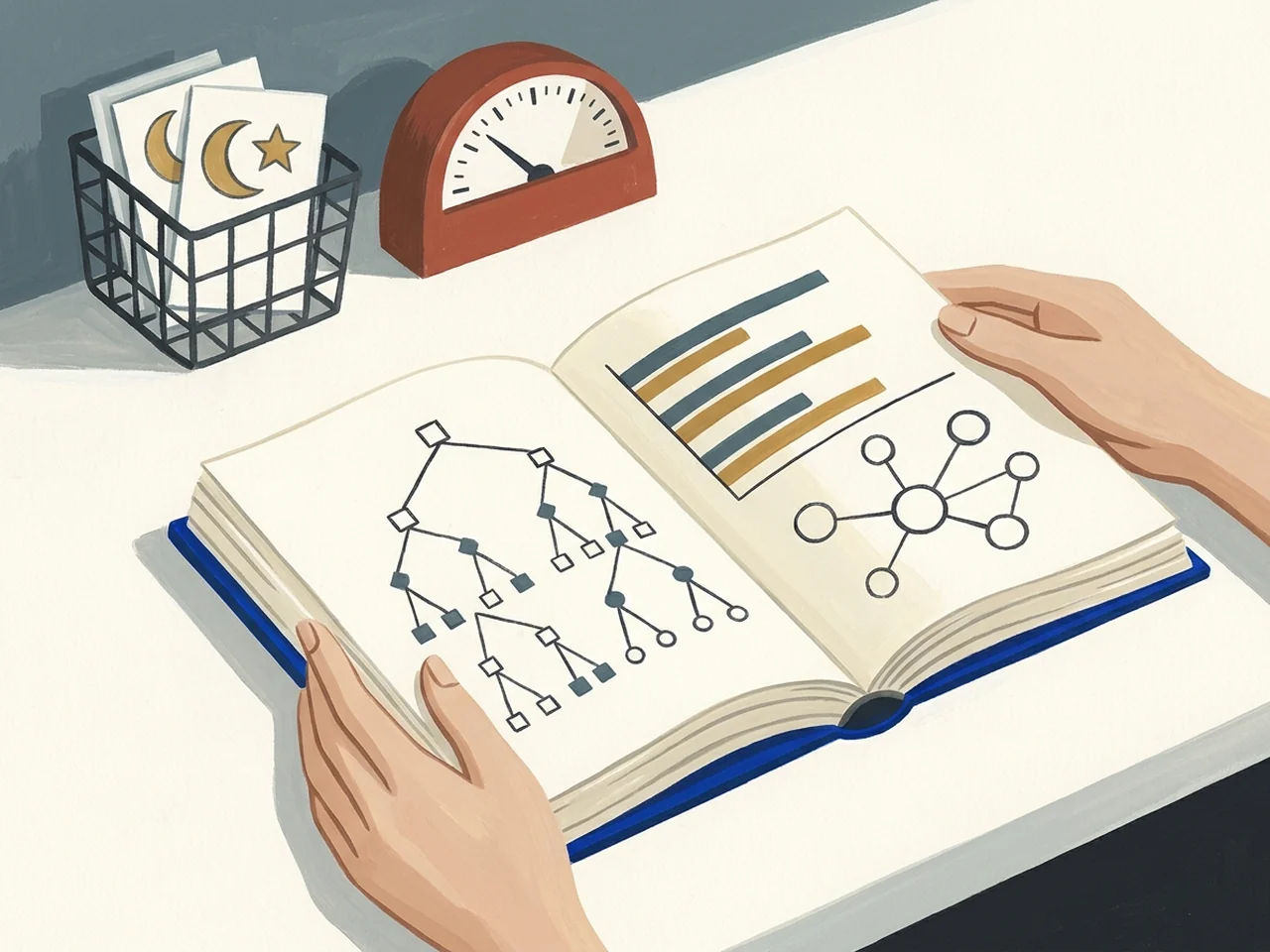
Modernist matte gouache editorial illustration of calm hands opening an International Klein Blue field ledger with an occupation tree, comparison bars, and skill nodes while frivolous zodiac quiz cards and a red alarm gauge sit pushed aside in shadow.

Most people facing a career crossroads run into the same dead ends. Personality quizzes offer flattering four-letter labels that say nothing about pay, demand, or daily trade-offs.

Generic job boards only show titles a person already knows to search for. Meanwhile, headline-chasing AI risk trackers reduce complex careers to an alarming percentage and walk away without showing a single realistic alternative.

CareerPine was created out of frustration with that gap. Real career choices happen inside boundaries: existing skills, temperament, energy limits, family obligations, income floors, and the direction an industry is actually moving over the next five to ten years. Ignoring those boundaries creates bad advice, no matter how inspiring it sounds.

The goal from the beginning has been straightforward: combine established vocational psychology with public international occupation databases, keep the interface calm and direct, and hand ordinary people a concrete, honest map they can actually evaluate and act on.

Where this work is heading.

Labor markets are entering a long period of reorganization. The long-term direction for CareerPine is built around three enduring priorities rather than short-term trends.

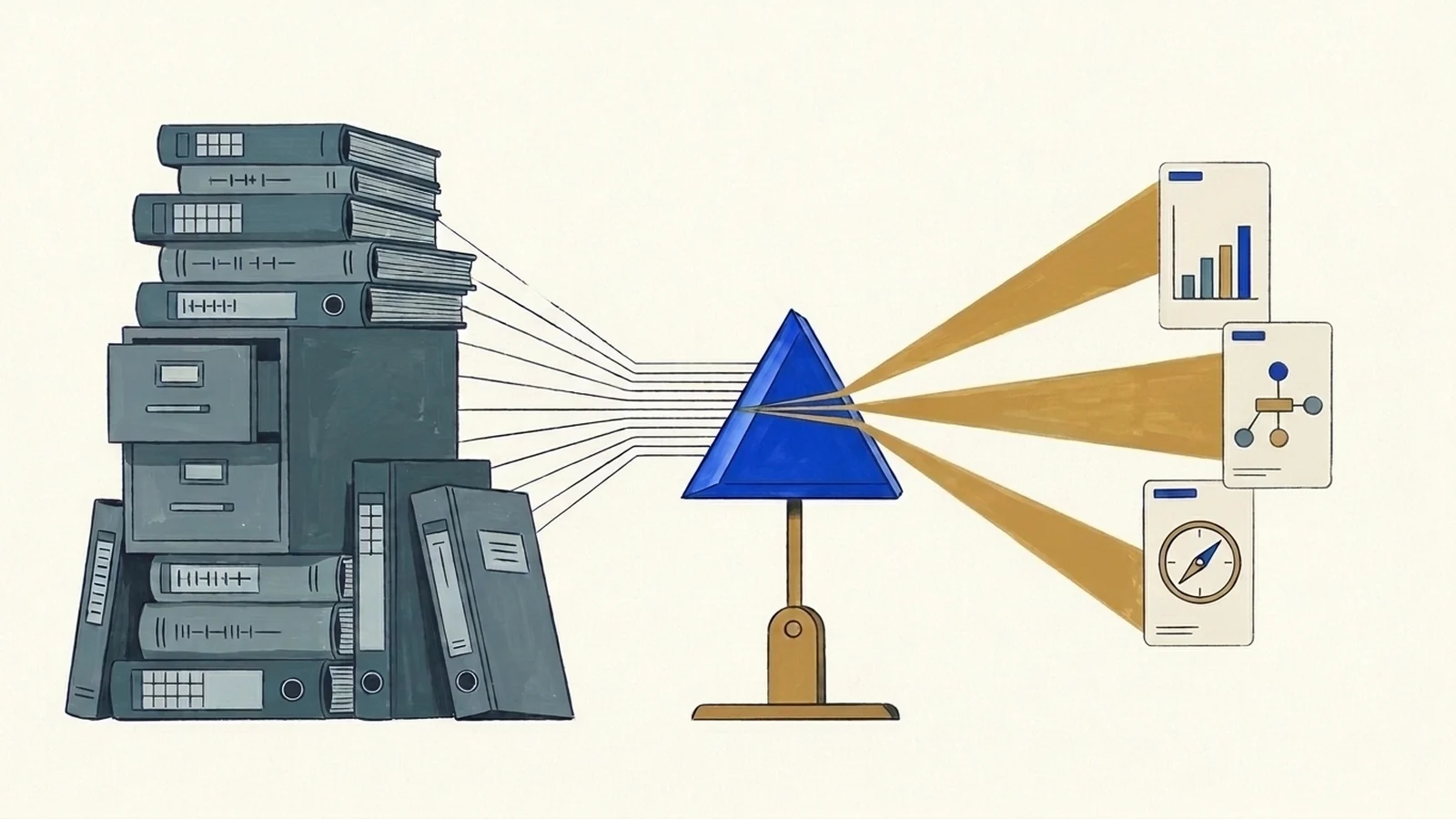
Modernist matte gouache editorial illustration of dense grey archival statistical ledgers flowing through an International Klein Blue prism on a brass stand into warm light rays projecting three clear career decision cards.

Keeping labor evidence legible to non-specialists

Government occupation frameworks and statistical tables contain remarkable signal about where hiring is moving, which skills cross industries, and where automation compresses routine work. Almost none of that data is readable by an ordinary worker deciding what to do next. Translating public labor research into plain, verifiable tools remains the core long-term commitment.

Helping people pivot before a disruption forces their hand

Career transitions are hardest when made under sudden financial pressure. Over the next decade, CareerPine aims to expand open diagnostic tools and skill-overlap comparisons so workers in shifting fields can spot durable adjacent paths years before a layoff notice arrives.

Staying independent from recruiters, schools, and hype cycles

Many career sites steer visitors toward whichever bootcamps, degrees, or job boards pay referral commissions. CareerPine is structured to answer only to the person taking the assessment—supported by transparent one-time reports and clearly disclosed advertising on free reference pages, never by undisclosed lead brokering.

Want to explore the free occupation index or reach out with a question or data correction?